Publishing within the field of tissue viability brings a range of benefits. It allows professionals to share best practice, shed light on complex clinical challenges and raise their profile within the speciality. There are several ways to contribute, each offering distinct advantages and opportunities for knowledge exchange.
Review Articles
Review articles involve exploring key papers and compiling a summary of the best available advice, research and data. This type of writing enables the consolidation of current knowledge, helping clinicians stay informed about the latest developments and recommendations in tissue viability.
Research and Audit
Research and audit articles focus on small research projects and clinical audits. These pieces describe the reasons behind the research (‘why’), the methods used (‘how’), key findings and recommendations. They also address the implications for clinical practice, offering valuable insights for ongoing improvement.
Practice Development
Practice development articles provide a platform to share, challenge and advance clinical practice. They may discuss new delivery models, clinical pathways or specific techniques such as complex bandaging. This format encourages the exchange of practical solutions and innovations.
Case Reports
Case reports are intimate, patient focused articles that present complex challenges encountered in clinical settings. They also highlight successes when these challenges are managed effectively, offering real world examples and learnings for others in the field.
Conference Posters
Conference posters are an accessible entry point into clinical writing. They can communicate any of the above topics in a structured, illustrated format. Typically, posters use distinct sections such as introduction, method, results, discussion and conclusion to guide the reader and present information clearly.
LLCS offer support in writing, presenting and sharing clinical practice. If you have a story your company or customer wants to share, please contact us for more information on how we can help you.
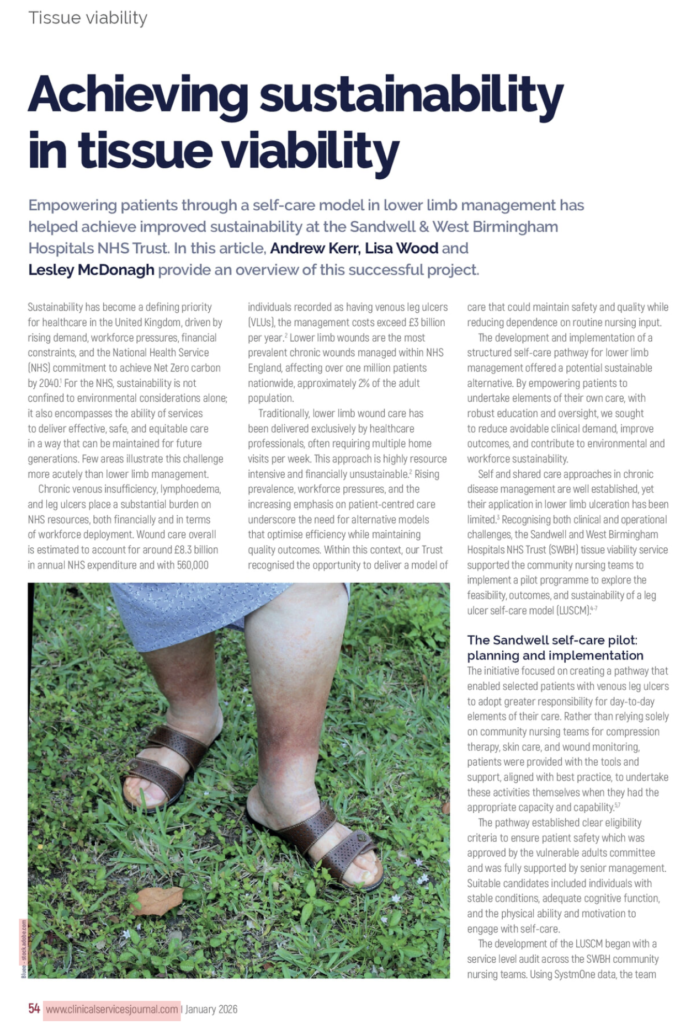
Kerr A, Wood L, McDonagh (2026) Achieving sustainability in tissue viability. Clinical Services Journal. Vol25, No1, pg 54-58
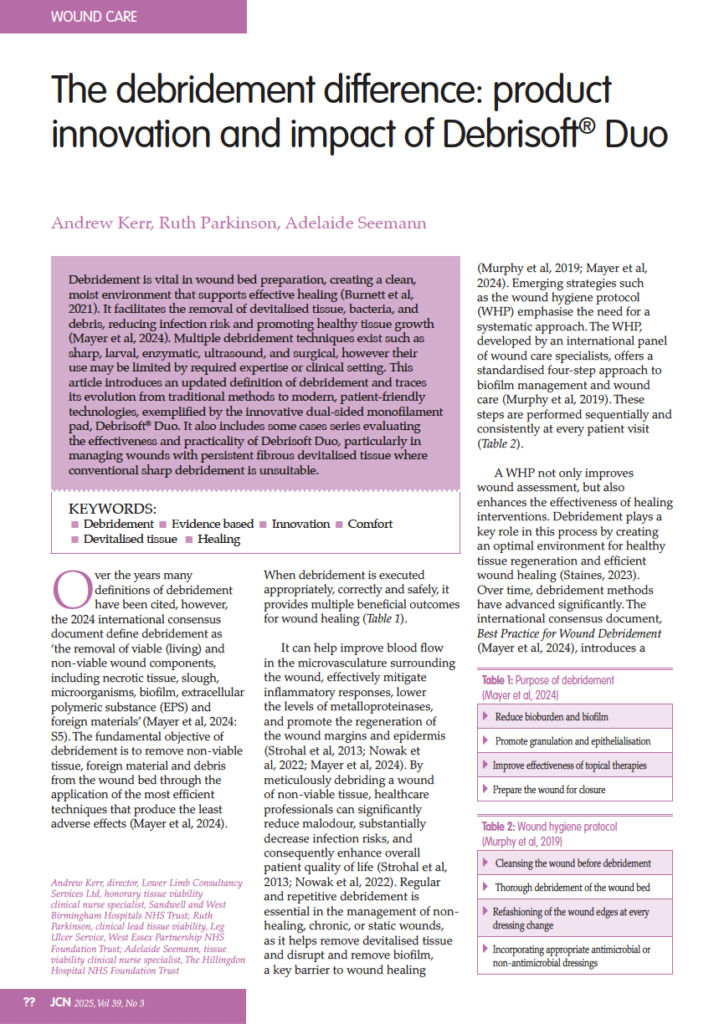
Kerr A, Parkinson R, Seemann A (2025) The debridement difference: product innovation and impact of Debrisoft Duo. Journal of Community Nursing, Vol 39 No 3
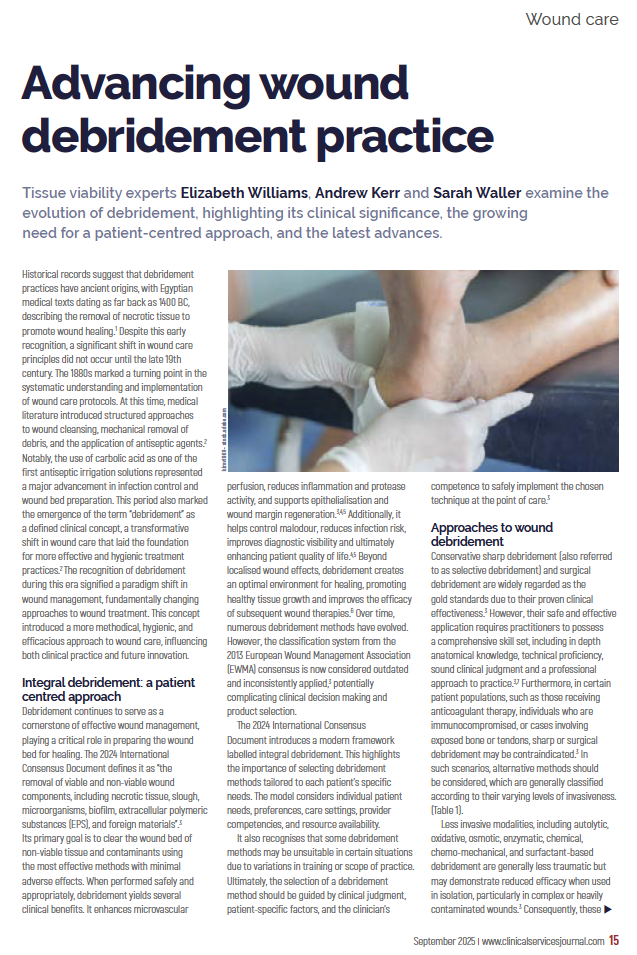
Williams E, Kerr A, Waller S (2025) Advancing wound debridement practice. Clinical Services Journal. Vol 24 No 9
Kerr A (2024) Suprasorb Liquacel Pro and Suprasorb Liquacel Ag: preparing wounds to heal. Journal of Community Nursing, Vol 38, No 4
Kerr A (2023) Supported Self-care for venous leg ulcers: nicety or necessity? Journal of Community Nursing. Vol 37, No 4
Kerr A (2022) Cutting costs and caseloads with a monofilament debridement pad. Journal of Community Nursing. Vol 36, No 6
Burnett J, Kerr A, Morrison M, Ruston A (2021) An audit to assess the impact of prescribing a monofilament debridement pad for patients with unhealed wounds after 6 months. Journal of Wound Care. Vol 30, No5.
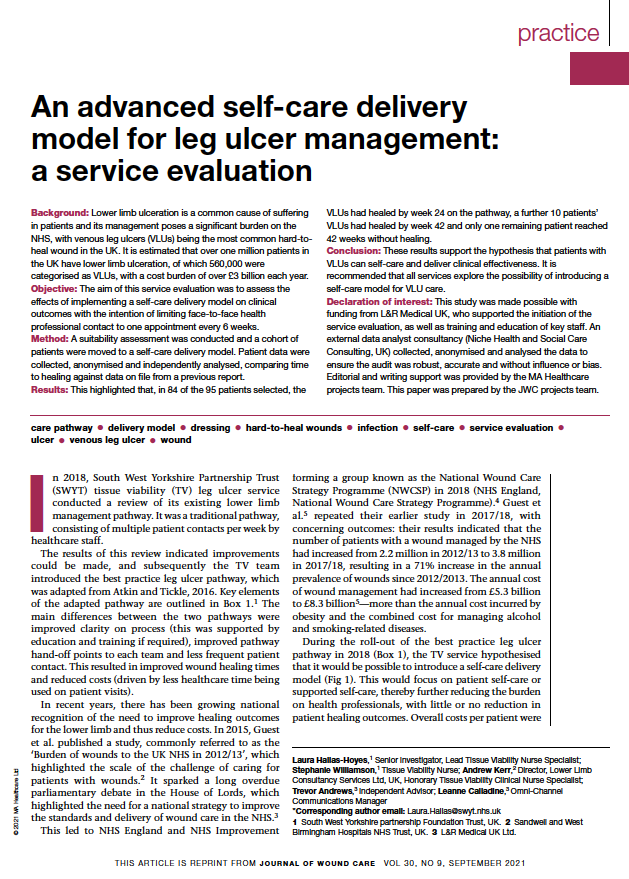
Hallas-Hoyes L, Williamson S, Kerr A, Andrews T, Calladine L (2021) An advanced self-care delivery model for leg ulcer management: A service evaluation. Journal of Wound Care. Vol3, No9.
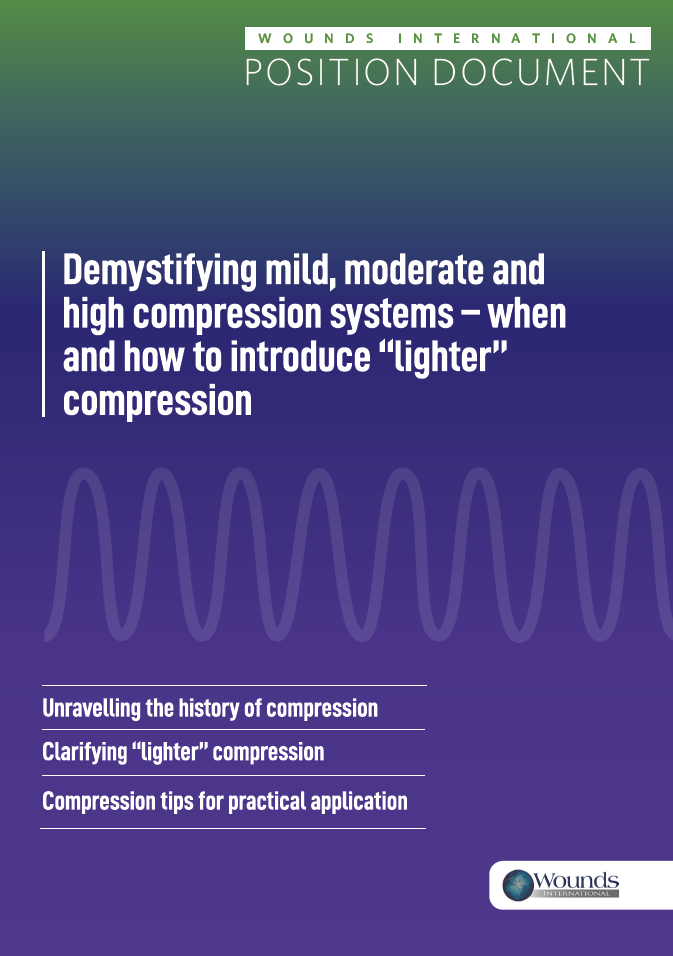
Vowden P, Kerr A, Mosti G (2020) Demystifying mild, moderate and high compression systems – when and how to introduce “lighter” compression. Wounds International, London.
Kerr A, Birch K (2018) Improving patient concordance – A patient passport for effective treatment of leg ulcers. Wounds UK National Conference.

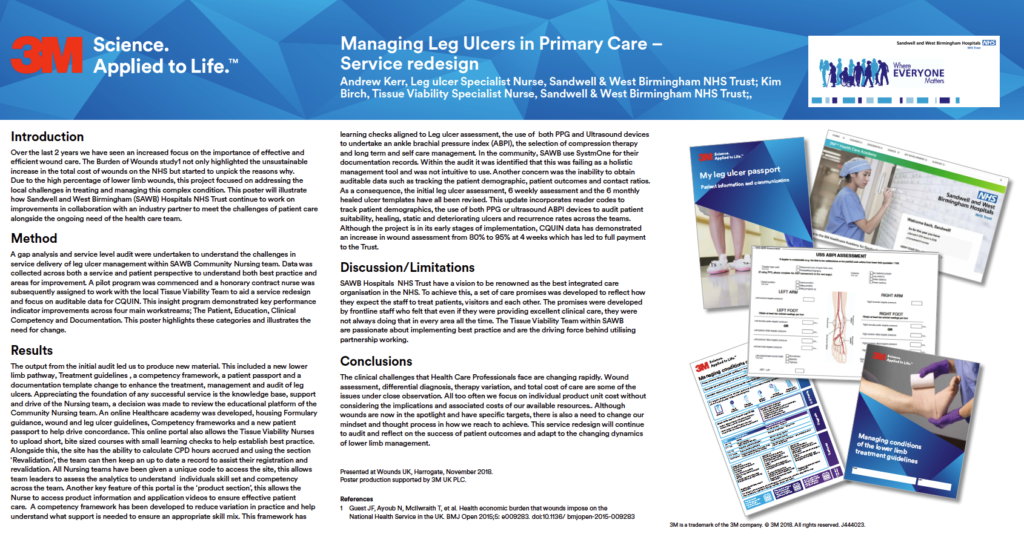
Kerr A, Birch K (2018) Managing Leg Ulcers in Primary care. Wounds UK National Conference.
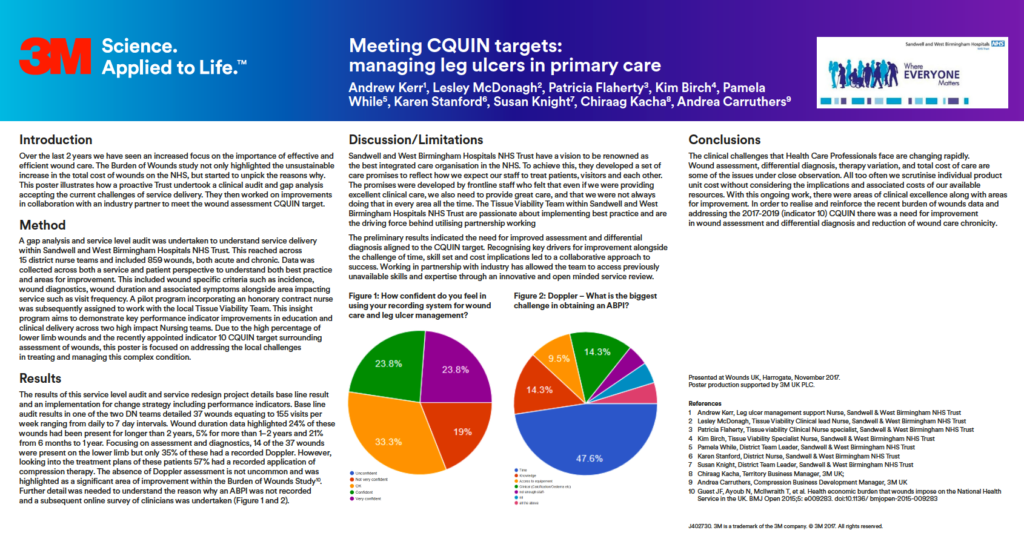
Kerr A, McDonagh L, Flaherty, Birch K, While P, Stanford K, Knight S, Kacha C, Carruthers A (2017) Meeting CQUIN targets: Managing Leg Ulcers in Primary Care. Wounds UK National Conference.
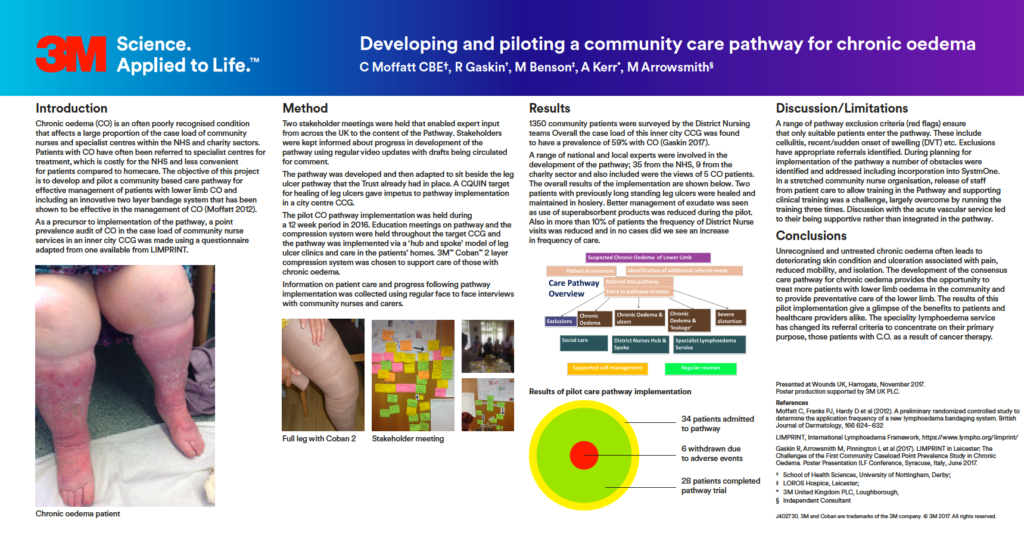
Moffatt C CBE, Gaskin R, Benson M, Kerr A & Arrowsmith M (2017) Developing and piloting a community care pathway for chronic oedema. Wounds UK National Conference.
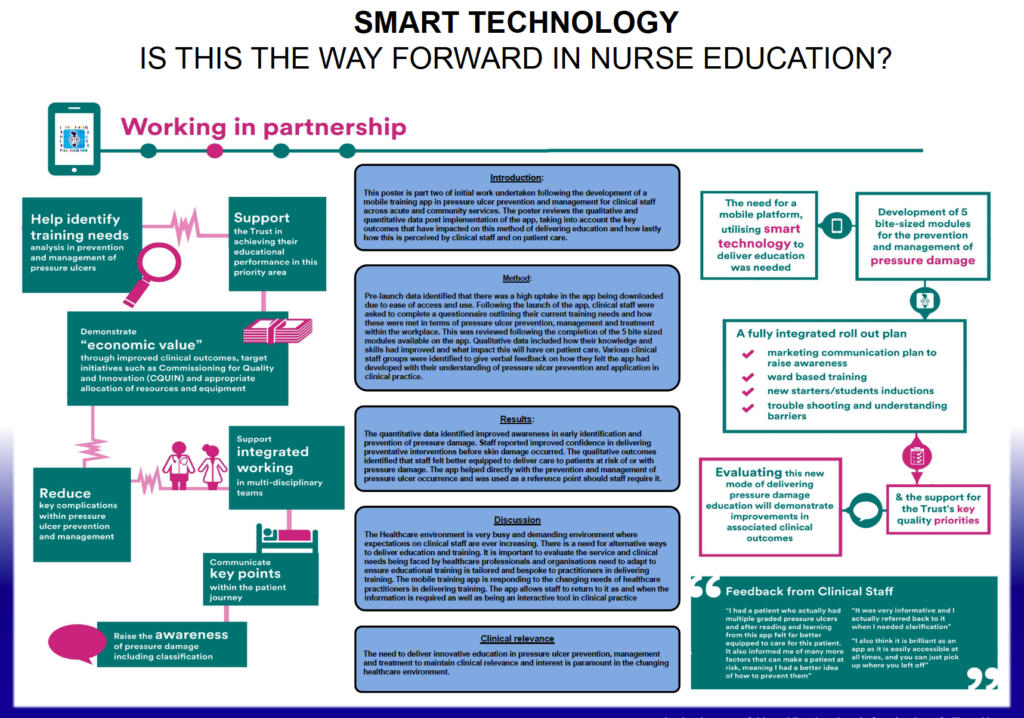
Kerr A (2015) The use of Smart technology to deliver effective and efficient nurse education. European Wound Management Association Conference.
Kerr A (2014) How to best describe and record exudate. Wounds UK, Vol10, No2.

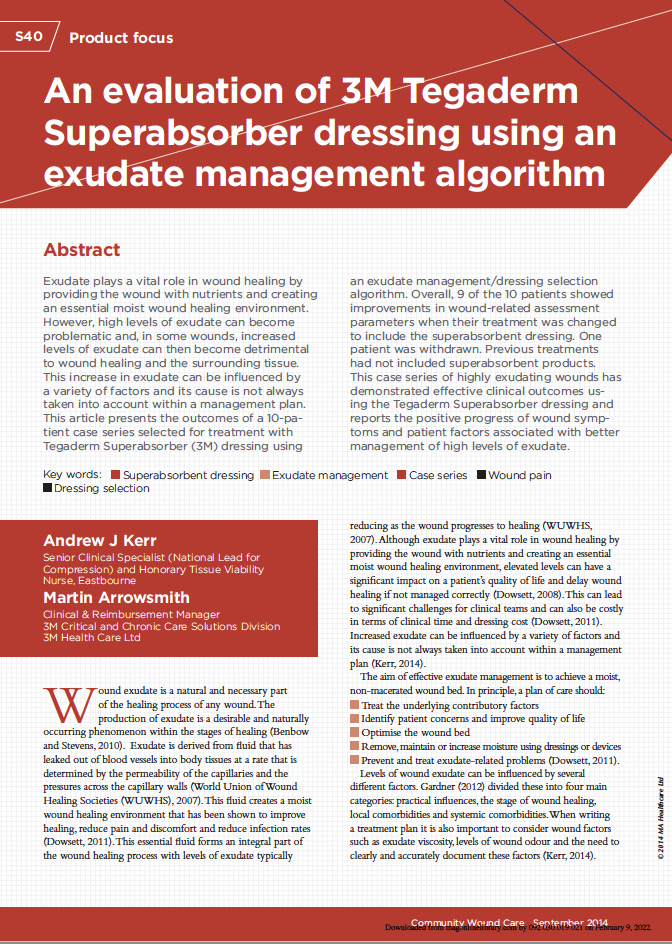
Kerr A (2014) An evaluation of 3M Tegaderm Superabsorber dressing using an exudate management algorithm. British Journal of Community Nursing. Published online.
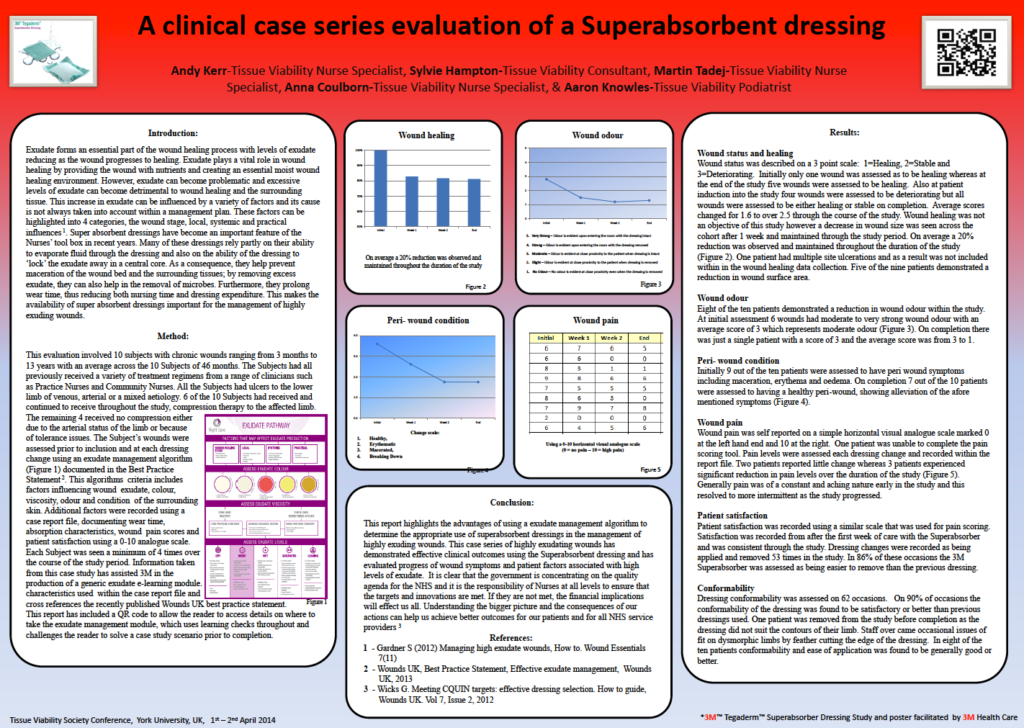
Kerr A, Hampton S, Tadej M, Coulborn A & Knowles A (2014) A clinical case series evaluation of a super absorbent dressing. Tissue Viability Society Conference, York University, UK.
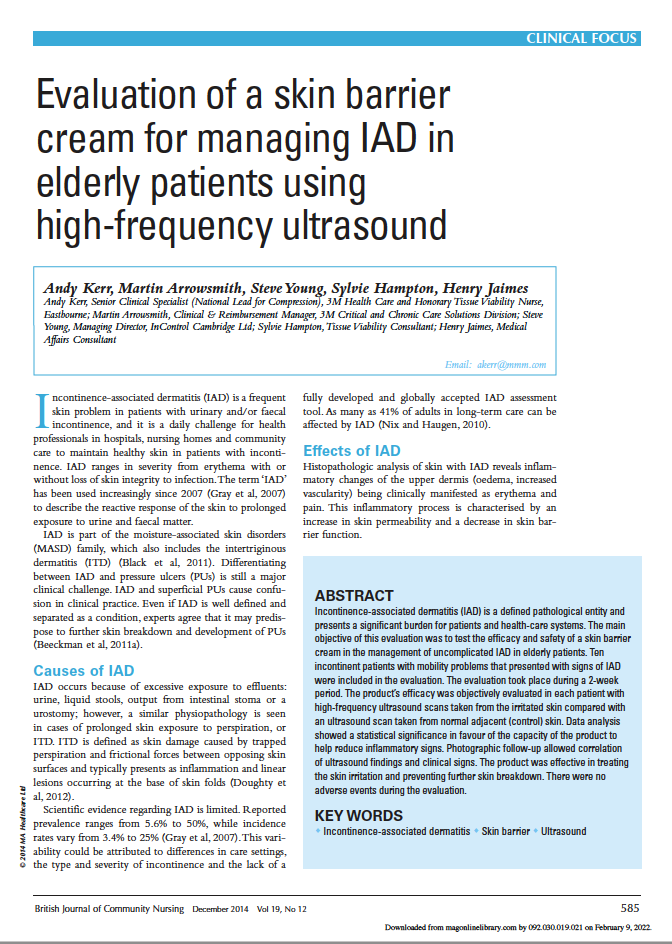
Kerr A, Arrowsmith M, Young S, Hampton S, James H (2014) Evaluation of a skin barrier cream for managing IAD in elderly patients using high frequency ultrasound.British Journal of Community Nursing: Clinical Focus. Vol 19. No12.
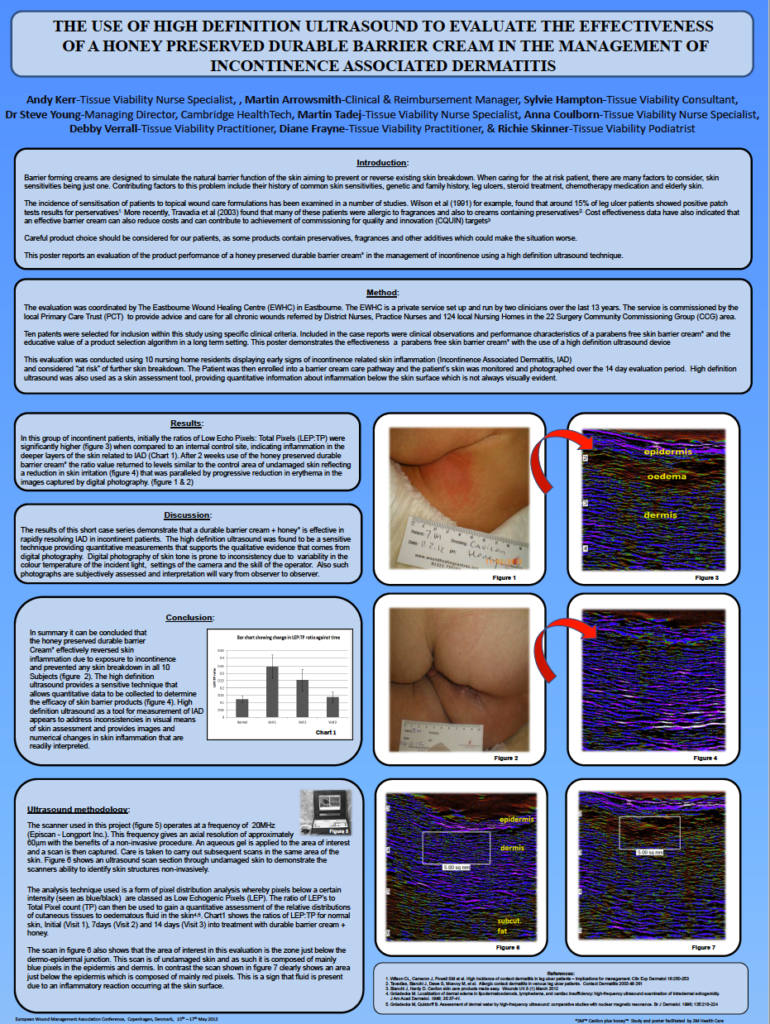
Kerr A (2013) The use of high definition ultrasound to evaluate the effectiveness of a honey preserved durable barrier cream in the management of incontinence associated dermatitis. European Wound Management Association Conference, Copenhagen, Denmark.
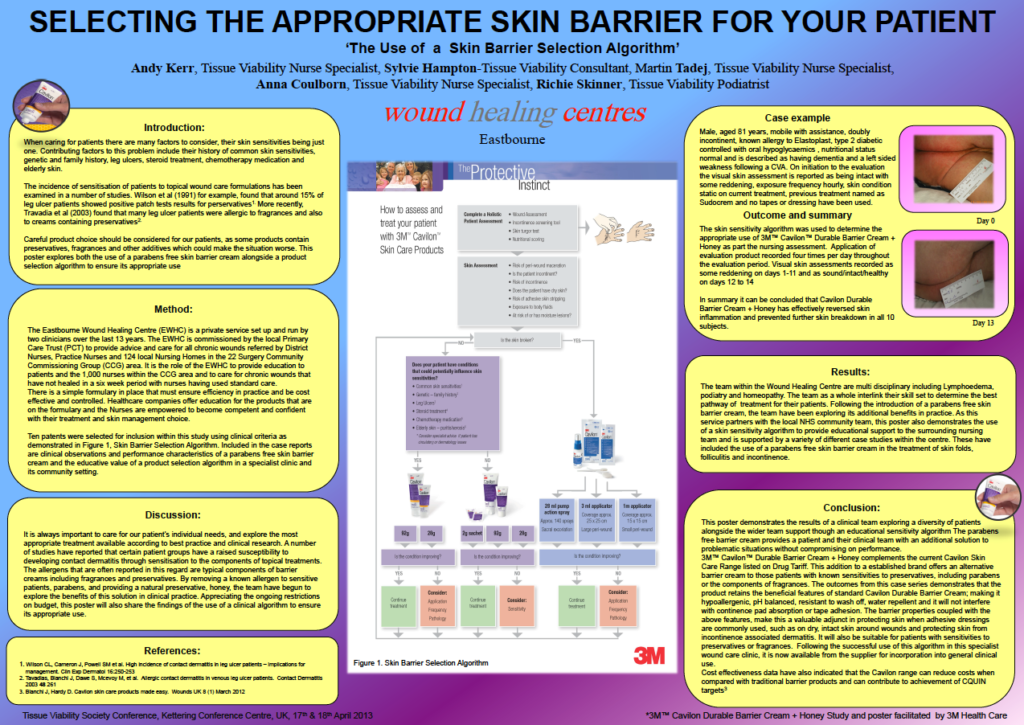
Kerr A, Hampton S, Tadej M, Coulborn A, Skinner R (2013) Selecting the appropriate skin barrier for your patient – The use of a skin barrier section algorithm. Tissue Viability Society Conference, Kettering Conference Centre, UK
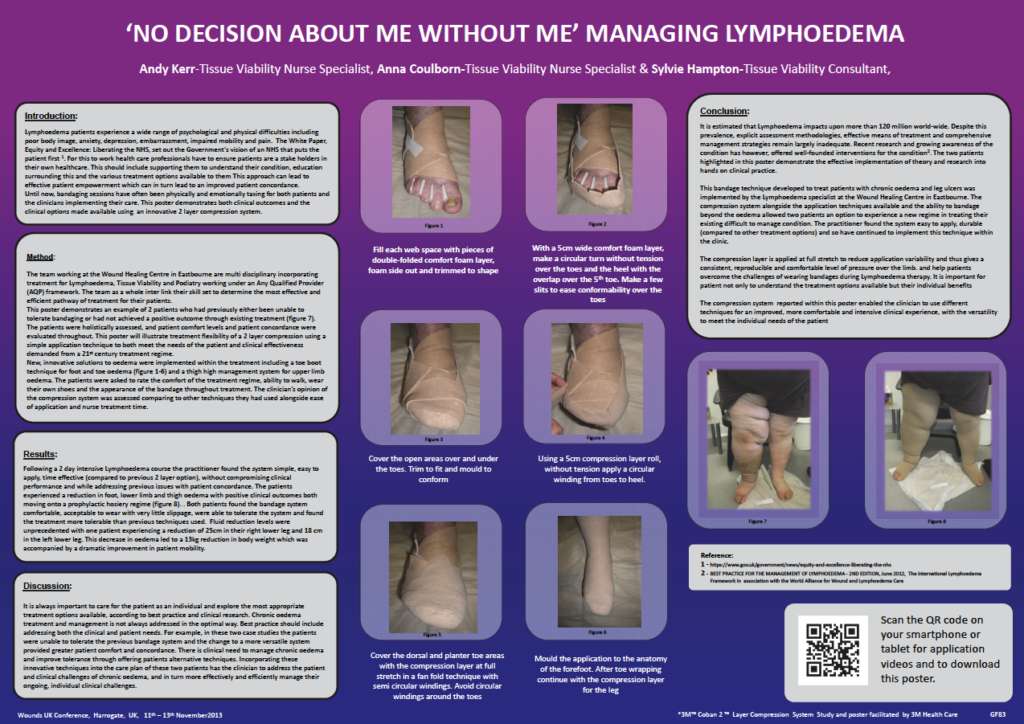
Kerr A, Coulborn A, Hampton S (2013) No decision about me, without me. Wounds UK National Conference.
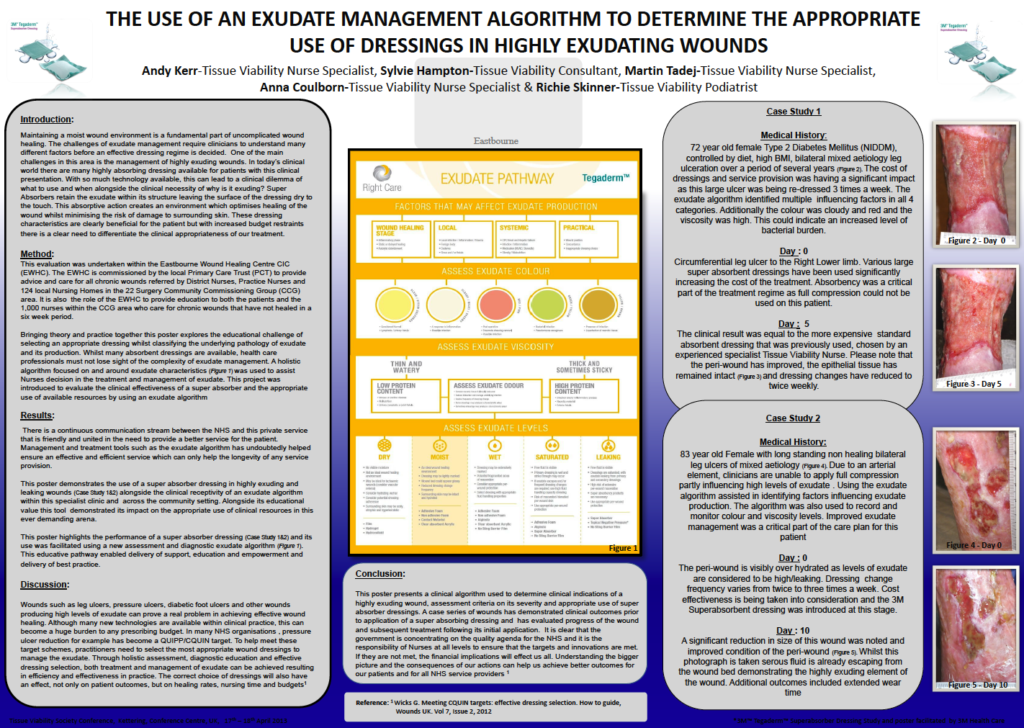
Kerr A, Hampton S, Tadej M, Coulborn A & Skinner R (2013) The use of an exudate management algorithm to determine the appropriate use of dressings in highly exuding wounds. Tissue Viability Society Conference, Kettering Conference Centre, UK
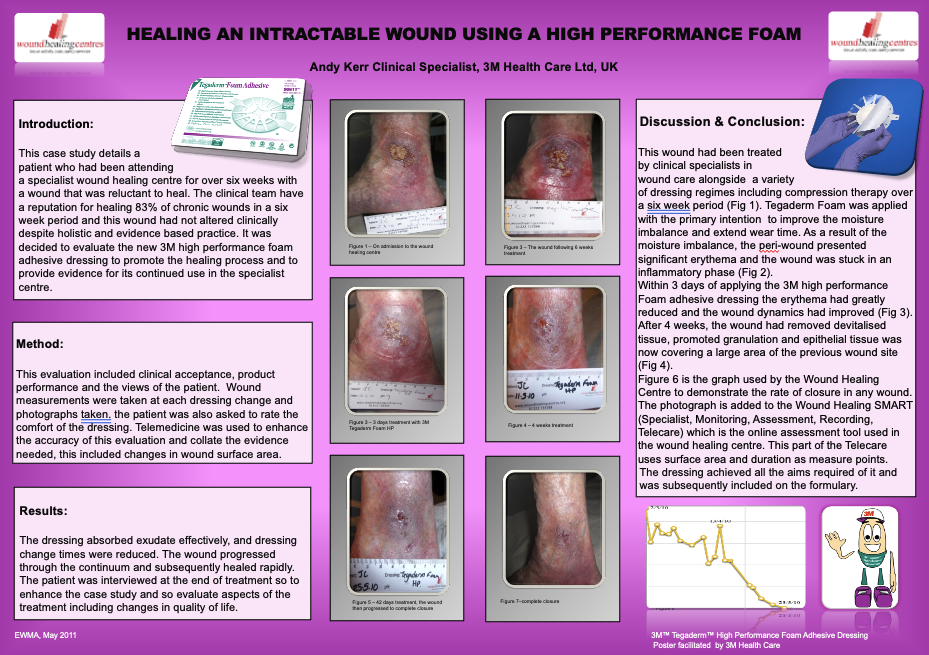
Kerr A (2011) Healing an intractable wound using a high performance foam. Wounds UK National Conference
Kerr A, Layflurrie K, Godar S (2011) Reducing compression – Improving quality of life. European Wound Management Association Conference.

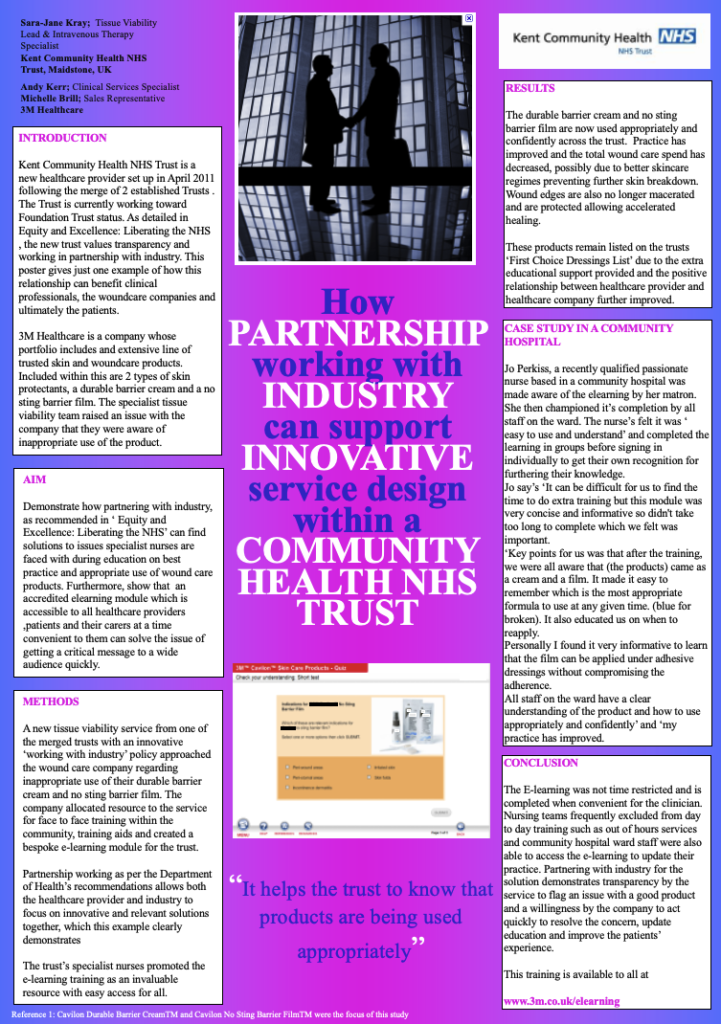
Kerr A, Kray SJ (2011) How partnership working with industry can support innovative service design within a community health NHS trust. European Wound Management Association.
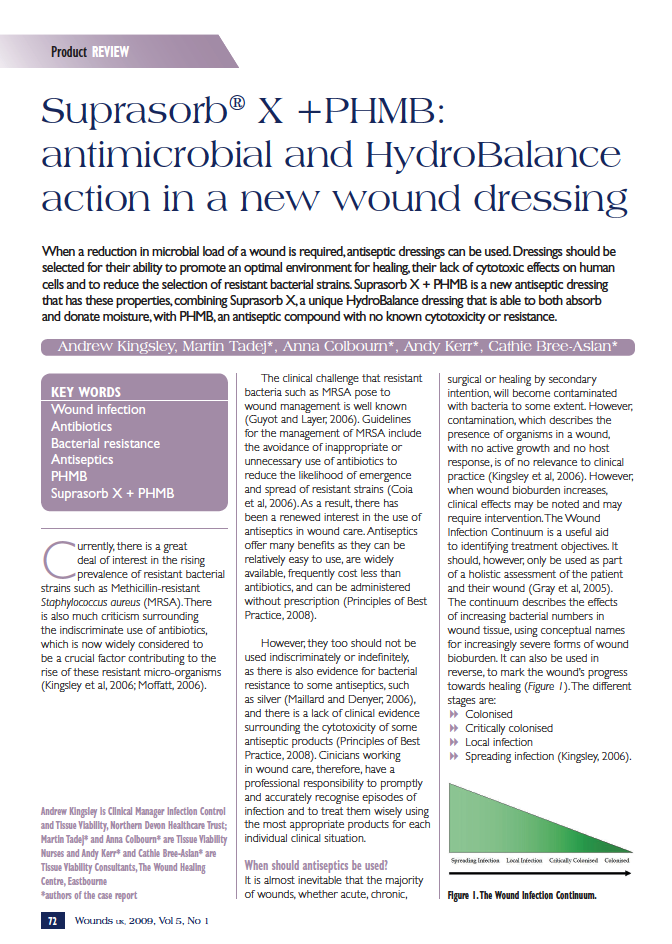
Kerr A, Kingsley A, Tadej M, Coulborn A, Bree-Aslan (2009) Suprasorb X +PHMB: Antimicrobial and hydro-balance action in a new wound dressing. Wounds UK, Vol5, No1.
Kerr A, Hampton S (2009) Clini Duo40: Venous Ulcer Compression System. Journal of Community Nursing. Vol23, Issue 7.
Kerr A, Hampton S, Bree-Aslan (2008) How quality of life can be altered in 24 hours: The treatment of a lady with unrecognised lymphovenous disease. Independant publication: Activa Healthcare Ltd
Hampton S, Kerr A, Bree-Aslan C (2008) Oxyzyme: An oxygen releasing dressing. Journal of Community Nursing. Vol 22. Issue 9.
Hampton S, Young S, Kerr A (2008) Treating sinus wounds. Journal of Community Nursing. Vol22. Issue 6.
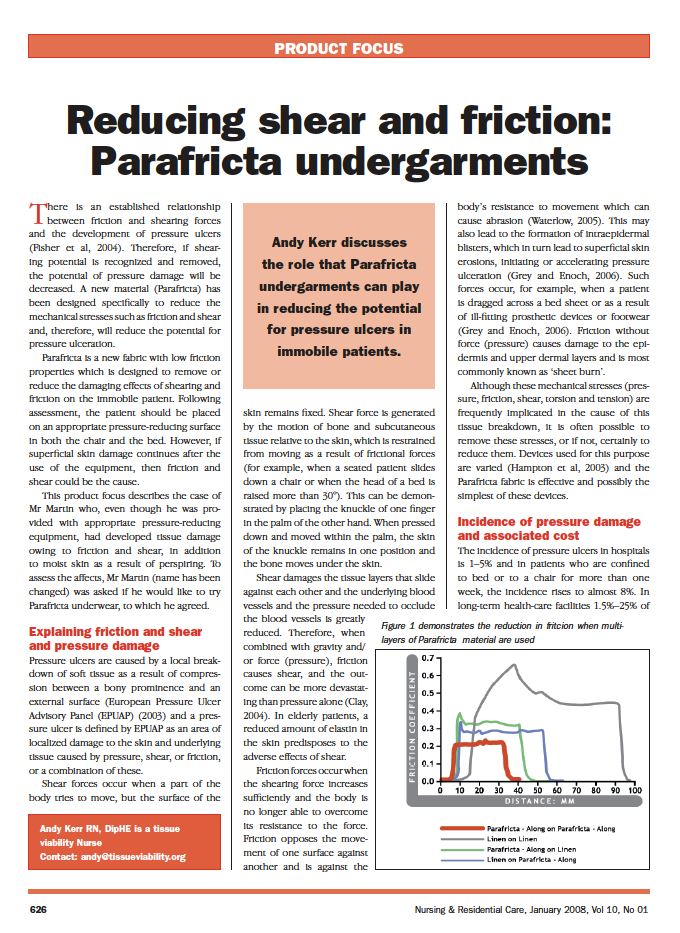
Kerr A (2008) Reducing Shear and Friction. Nursing and Residential Care 10(1): 626-627.
Kerr A, Timmons J, Hampton S, Koller J, Bertram M (2007) The use of Oxyzyme sterile dressing with iodine on hard to heal wounds: Case Study Series. Wounds Uk.
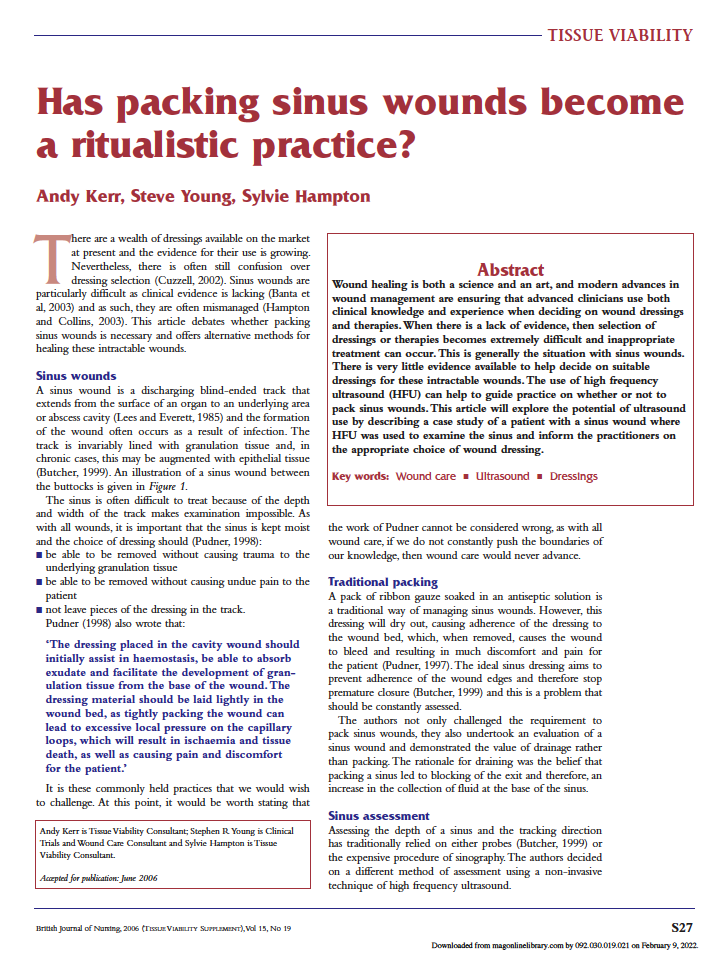
Kerr A, Young S, Hampton S (2006) Has packing sinus wounds become a ritualistic practice? British Journal of Nursing (Tissue Viability Supplement). Vol15, No19.
Hampton S, Kerr A, Crossley M (2006) Summary of five case studies on the treatment of venous leg ulcers with a new two layer compression system in a community setting. Corporate publication. 3M UK.

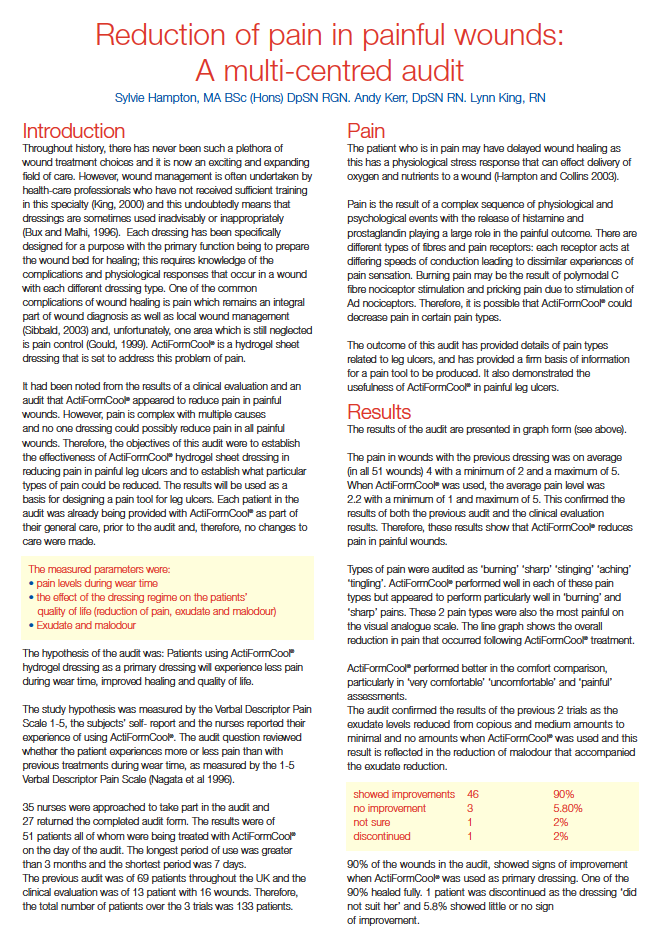
Kerr A, Hampton S, King L (2005) Reduction of pain in painful wounds: A Multi-centered audit. Corporate publication. Active Healthcare Ltd